

Plan Check Corrections: Why Commercial Permits Come Back, and How to Close Them
Most plan check corrections are predictable. The difference between a two-cycle project and a four-cycle one is settled before anyone submits the drawings.
A correction letter is not a failure of the drawings. On commercial and industrial work it is the normal condition — plan check exists to produce one. What decides your schedule is not whether corrections arrive, but how many cycles it takes to clear them.
Two cycles is a routine project. Four is a project that has lost its date, and by then the cause is almost never the item written on the letter.
1. The submittal route was assumed, not confirmed
Over-the-counter, standard review and deferred submittal carry completely different durations, and the boundaries between them vary by jurisdiction and by scope. Confirming the route with the authority having jurisdiction before the documents are finished costs a phone call. Discovering it after submission costs a cycle.
2. Corrections are answered item by item instead of as a set
Responding to each comment in isolation is how a two-cycle project becomes a four-cycle one: an answer to item 6 contradicts the answer to item 2, and the reviewer sends both back. Resolve corrections as one coordinated revision, with a response narrative that shows the reviewer where you addressed each item.
3. Nobody owns the relationship with the reviewer
Plan check is a conversation. When the design team, the contractor and the owner each contact the reviewer separately, the file fills up with contradictions. The fix is one point of contact, one response package and one record of what was agreed.
4. Existing conditions do not match the record set
You cannot answer corrections that cite conditions in the field — occupancy, egress, accessibility, existing systems — from the drawings. You answer them by verifying the building. Doing that at design stage removes an entire class of correction before anyone writes it.
What actually protects the date
Treat permitting as a scope item with a duration, an owner and a set of deliverables, not as a queue you join once design is finished. On every project we deliver, the permit route, the expected review path and the correction strategy go into the program before the documents go out.
Working on something similar? Discuss Your Project and we will confirm the approach, permitting requirements and sequencing before pricing.
Related Reading
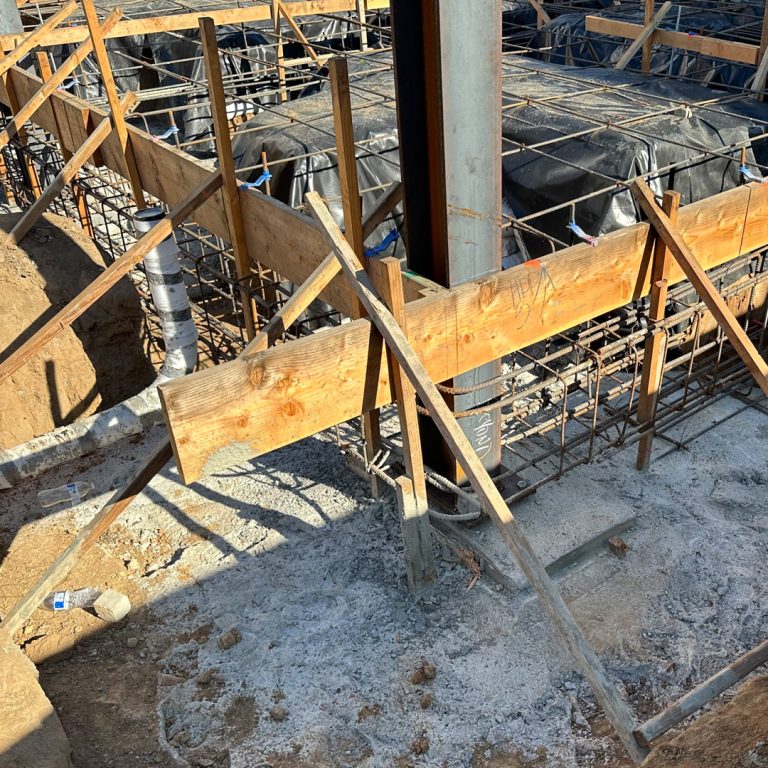
Multi-Site Improvement Programs: Why the Second Location Should Cost Less Than the First
Rolling the same scope across a portfolio should get cheaper with every location. When it does not, someone…
Read article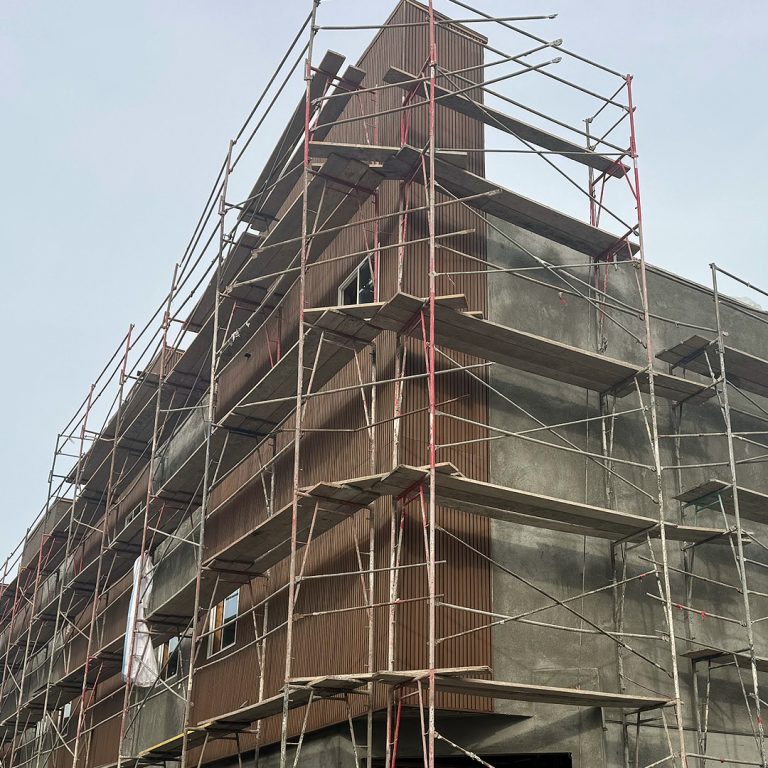
Building Around Operations: What Occupied-Facility Construction Really Requires
Construction in a building that stays in use is a different scope from the same work in an…
Read article